COTTON
The main material of the textile industry
Cotton is a textile fiber of plant origin. It comes from the burning of plants of the genus gossip and normally helps the dispersal of the seeds, which surrounds it. The fiber is composed almost exclusively of cellulose. The plant is native to the tropics of America, Africa, Australia and Asia, has been known since ancient times and is cultivated for its fibers.

The fiber has a length of 10 to 65 mm and a diameter of 11 to 22 μm. It has a high absorption capacity as it can absorb up to 27 times its weight in water. This property makes cotton fabrics absorb moisture and sweat and for this reason it is comfortable in hot weather. It becomes stronger if it gets wet and has great tensile strength in soap solutions and so it is easy to wash.
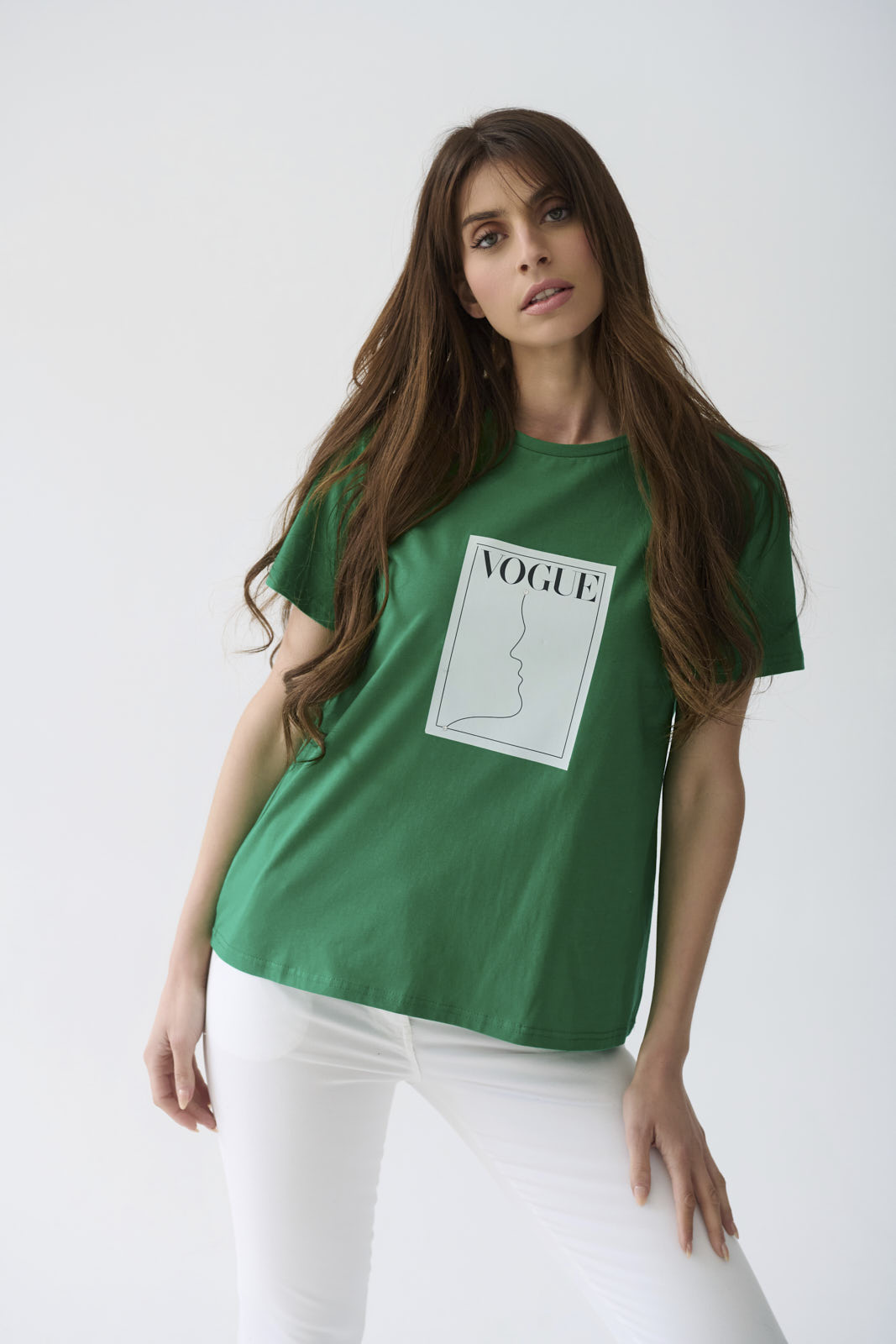
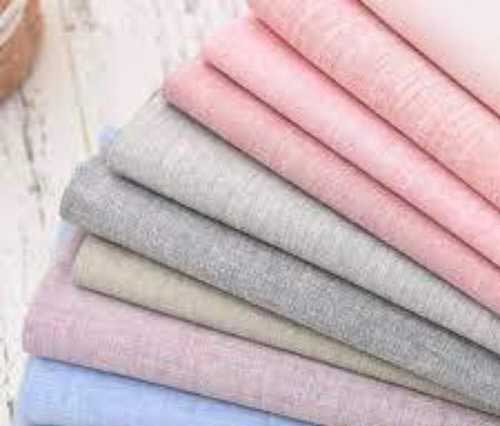
Cotton is made into threads and skeins and is used to make soft fabrics. About 60% of the world’s cotton production is used to make clothes, mainly for T-shirts, jeans and blouses and less for underwear and cardigans. Today, cotton is the most widely used fiber in the world. Cotton cultivation uses 2.5% of the available arable land, producing about 25 million tonnes a year. The largest producer is China and the largest exporter is the United States.


Origin
There are four types of plants that are grown for cotton production
Fluffy cotton: The most common cultivated yields over 90% of world production and is the only species cultivated in Greece. Gives high quality cotton with great durability, elasticity, very good gloss and uniformity.
Herbaceous cotton: Native to Pakistan, India and parts of Africa. In the past its cultivation was very widespread but today its crops have been replaced by fluffy cotton.
Barbadian cotton: Cultivated in Egypt, Sudan, the former Soviet Union, the United States, Brazil and Peru. Its fibers are the longest of all types and reach up to 50 mm are of good quality, thin and soft.
Tree Cotton: Native to Pakistan, Sri Lanka and India. Its fibers are very short and not of good quality so its cultivation is very limited.
Cotton fabric care
The characteristics of care for cotton products depend on the composition of the material. Therefore, before resorting to washing or ironing, it is advisable to read the composition on the label.
- Colored and white cotton fabrics, as a rule, are washed separately. Colored clothes soaked in water at a temperature not exceeding 40 ° C
- The thin cotton cloth should be ironed under low heat.
Advantages
Cotton cloth is considered one of the most environmentally friendly materials. Among the advantages of cotton it is worth noting:
- a pleasant texture to the touch.
- hypoallergenic properties.
- good air permeability.
- comfort in contact with the body.
- moisture absorption capacity.
- no effect of static electricity.